
Are you looking for ways to improve your smile? Cosmetic dentistry can provide solutions, whether you have cracks, chips, stains, or alignment issues.
At Arya Dental in Fullerton, California, skilled dentists Saeed Mokhayeri, DDS, and Hengameh Safarcherati, DDS, offer a variety of treatments to repair, restore, or enhance your smile, including a complete smile makeover.
Of the many treatments we provide, bonding and veneers offer popular solutions. But while they can both change the appearance of your teeth, they work in very different ways.
Here are a few primary differences between bonding and veneers.
Say goodbye to chips and cracks with dental bonding
With dental bonding, we apply a composite or plastic resin to your tooth to improve its appearance. This approach basically covers the broken or chipped teeth, which restores your smile.
We can also use this method to lengthen teeth that look shorter than others or fill in small gaps to create a more flawless, even smile.
To prep your tooth for bonding, we treat it by etching the surface. This roughens the enamel just enough so the bonding compound can adhere to your tooth. Then we apply the bonding material and mold it so it matches the shape of your natural teeth and corrects any imperfections.
Finally, we apply a UV light to harden it, permanently.
Concealing imperfections with veneers
Veneers correct many of the same issues as bonding, including gaps, chips, misaligned teeth, and discoloration. But it does the job in a very different way.
Instead of coating your tooth with a bonding compound and shaping it by hand, we cover it with a thin, porcelain shell. This tooth-like surface seamlessly hides any imperfection and rejuvenates your smile.
To apply veneers, we remove approximately 1/2 millimeter of enamel from your tooth — or approximately the thickness of a fingernail. This creates space on the tooth without added bulk. Then we take a mold of your mouth so your custom-made veneers match the precise shape and color of your natural teeth.
When we receive your custom veneers, you return to our office for placement. After confirming the look and fit, we fix them in place with dental cement and harden it with UV light.
Deciding between bonding and veneers
Bonding and veneers may correct similar issues, but that doesn’t mean you can use them interchangeably.
Generally speaking, bonding could be the best approach if you have minor issues because it works by covering a small portion of your tooth. So if you have a chipped, cracked, or stained tooth, bonding could come to the rescue.
Veneers, on the other hand, can address numerous dental flaws. So if you have larger tooth issues, multiple problems, or want to rejuvenate your entire smile, veneers could provide the best solution. And since veneers are made of porcelain, they’re resistant to staining.
But rest easy — you don’t have to decide on your own. We can help guide you to the perfect solution for your smile when you schedule a personalized consultation.
Are you ready for a more beautiful smile? We can help at our office in Fullerton, California. Start your dental journey today by scheduling an evaluation to discuss how we can help you love your smile. Call our office at 714-646-9546 or request an appointment using our online system.
What is a Deep Cleaning and How do I Know if I Need One?
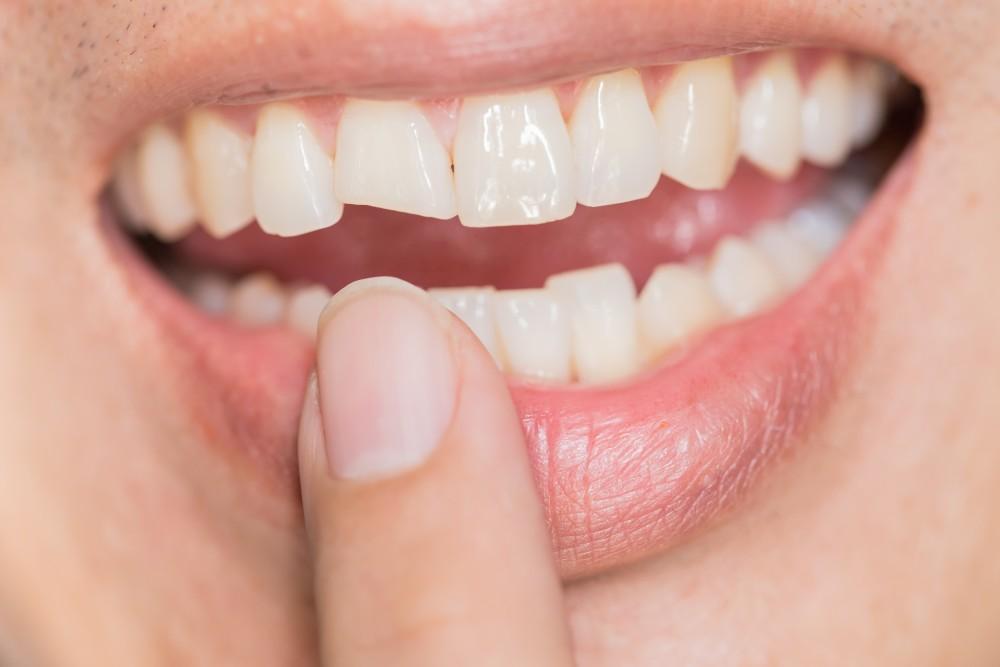
Dental Bonding or Crown: Which Is Best for My Cracked Tooth?
New Year, New You: Are You a Candidate for Invisalign®?
Inlays: A Great Defense Against Tooth Decay
Why Are My Teeth Losing Their Whiteness?